“When is Chinese New Year 2027, and how can I help my kids greet their grandparents properly this time?” Many Filipino parents start asking this as soon as the tikoy ads appear, especially when their children are learning Mandarin and want to show off a little at the family reunion dinner.
The short answer: Chinese New Year 2027 falls on Saturday, February 6, 2027, and it begins the Year of the Goat. In the Philippines, it is an additional special non-working day. Below you can hear the greetings your child can use, play an ang pao game that tests their listening, and find every family member’s zodiac animal.
Want your child to greet Lolo and Lola in Mandarin this year? A live class is the fastest way to build confidence before the big day. Book a ₱599 trial class
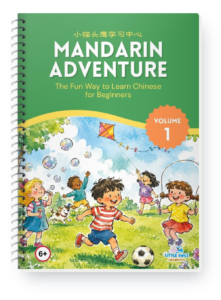
Prefer to start at home? Lesson 1 of our Mandarin Adventure workbook is free. Get the free lesson ↓
When Is Chinese New Year 2027?
Lunar New Year’s Day 2027 is on February 6. The date changes every year because it follows the lunar calendar, landing on the second new moon after the winter solstice, somewhere between late January and mid-February. Hong Kong’s official 2027 holiday list confirms the date.
In the Philippines, February 6, 2027 is an additional special non-working day. It is included in the 2027 holiday list under Proclamation No. 1427. Since it falls on a Saturday, most families will have the weekend free for reunion meals and visits.
The celebration lasts about two weeks. Festivities traditionally run for 15 days and end with the Lantern Festival on February 20, 2027. That gives you plenty of time to practice greetings, give out ang pao and talk about the zodiac with your kids.
Chinese New Year Greetings Your Child Can Learn
Start with one or two greetings and say them often. Young children remember short, repeated phrases far better than long lists. 新年快乐 (xīn nián kuài lè, Happy New Year) and 恭喜发财 (gōng xǐ fā cái, wishing you good fortune) are enough for a first celebration. Older kids can add a wish that suits each relative, such as good health for grandparents.
Tap to Hear Chinese New Year Greetings
Tap a card, listen, then say it out loud with your child. Pinyin is in green.
Gong Xi Fa Cai and Kung Hei Fat Choi are the same greeting. Both are ways of saying 恭喜发财. Gong Xi Fa Cai is the Mandarin pronunciation and Kung Hei Fat Choi is the Cantonese one. Many Filipino-Chinese grandparents say it in Hokkien too, so don’t be surprised if Lola answers your child’s Mandarin greeting in a different way.
Greet the oldest relatives first. Children traditionally greet grandparents before aunts, uncles and cousins, using a wish that fits each person. If your child is still building confidence with tones, our guide to pinyin and the four tones has a short game that helps them hear the difference.
Play the Ang Pao Game
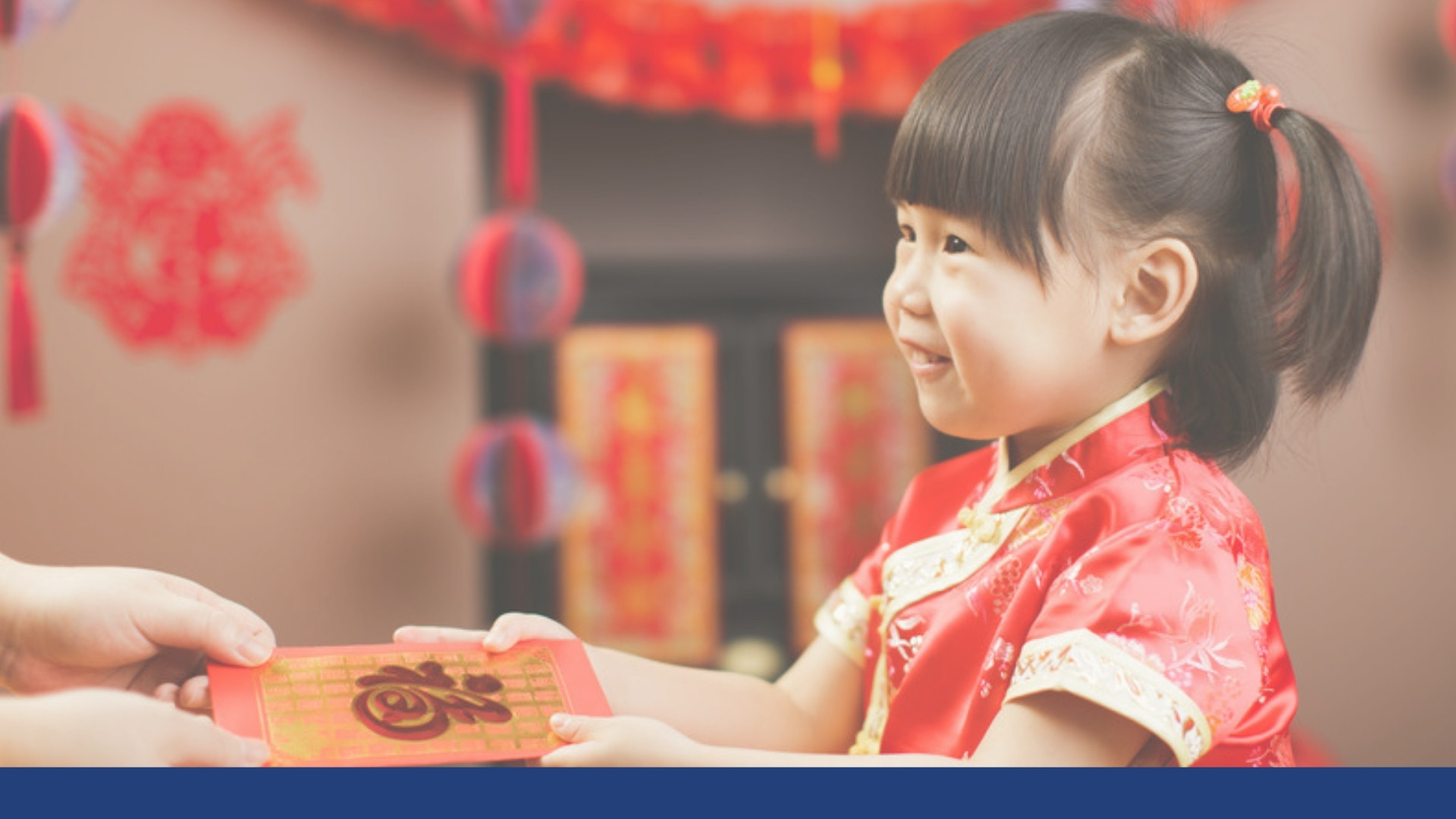
Ang pao are red envelopes with money inside, given for luck. Red stands for happiness and good fortune, and the envelope itself carries the wish as much as the money does. Traditionally, married adults and grandparents give ang pao to children and younger relatives who are not yet working, according to China Highlights.
Teach your child the polite way to receive one. These small habits make a big impression on relatives:
- Use both hands. Receiving the envelope with both hands shows respect.
- Say a greeting and thank you. 恭喜发财 (gōng xǐ fā cái) followed by 谢谢 (xiè xie) is perfect.
- Wait to open it. Opening an ang pao in front of the giver is considered impolite, so save it for later.
- Know the lucky numbers. Givers usually choose even amounts and avoid the number 4, which sounds like the word for death. Amounts with 8 are considered especially lucky.
Now let your child earn their ang pao. In the game below, each red envelope hides a greeting. Your child listens, picks the meaning, and opens the envelope. It is a fun way to practice listening without any reading.
The Ang Pao Game
0 / 6 ang pao openedTap a red envelope to hear a greeting. Pick what it means to open the ang pao. Can your child open all six?
Tap any ang pao to start.
Find Your Family’s Chinese Zodiac Animal
Each Chinese year is linked to one of 12 animals. The cycle runs Rat, Ox, Tiger, Rabbit, Dragon, Snake, Horse, Goat, Monkey, Rooster, Dog and Pig, then starts again. 2027 is the Year of the Goat, so anyone born from February 6, 2027 to January 25, 2028 will be a Goat.
The zodiac year starts on Lunar New Year, not January 1. This is the detail many online charts get wrong. A child born on January 20, 2027 still belongs to the Year of the Horse, because the Goat year has not started yet. The finder below checks the exact Lunar New Year date for every year from 1930 to 2028, so January and February birthdays come out right.
Chinese Zodiac Finder
Enter a birthday to find the zodiac animal. Add everyone in the family!
The zodiac year starts on Lunar New Year, not January 1, so a baby born on January 20, 2027 is still a Horse. The finder covers birthdays from 1930 to 2028.
Turn it into a family activity. Ask your child to find everyone’s animal, then say each one in Mandarin. Kids love discovering that Lolo is a Dragon or that their baby sister is a Snake, and it is a natural way to practice twelve new words.
Easy Ways to Celebrate Chinese New Year at Home
You do not need a big party to make the day meaningful. A few simple traditions give your child plenty to talk about in Mandarin:
- Share tikoy. Tikoy, or 年糕 (nián gāo), sounds like “a higher year,” and its stickiness is said to keep the family close, according to Tatler Asia. Many Filipino families slice it, dip it in egg and fry it.
- Wear something red. Red is the color of luck and celebration, so a red shirt or dress is an easy way for kids to join in.
- Visit Binondo. Manila’s Binondo, often called the world’s oldest Chinatown, holds dragon and lion dances every year, as the Inquirer notes. Go early, because the streets fill up fast.
- Count the ang pao in Mandarin. Counting envelopes or coins is great practice. Our guide to Chinese numbers 1 to 10 has audio for every number.
- Watch a short video together. The one below explains Lunar New Year traditions in simple English for kids.
Practice a little every day in the weeks before February 6. Five minutes of greetings and listening games is enough to help your child feel ready. If your child attends a Filipino-Chinese school and needs extra help with Chinese class, our Chinese school tutoring follows their own textbook.
Get Lesson 1 free, and we’ll email it to you right away.
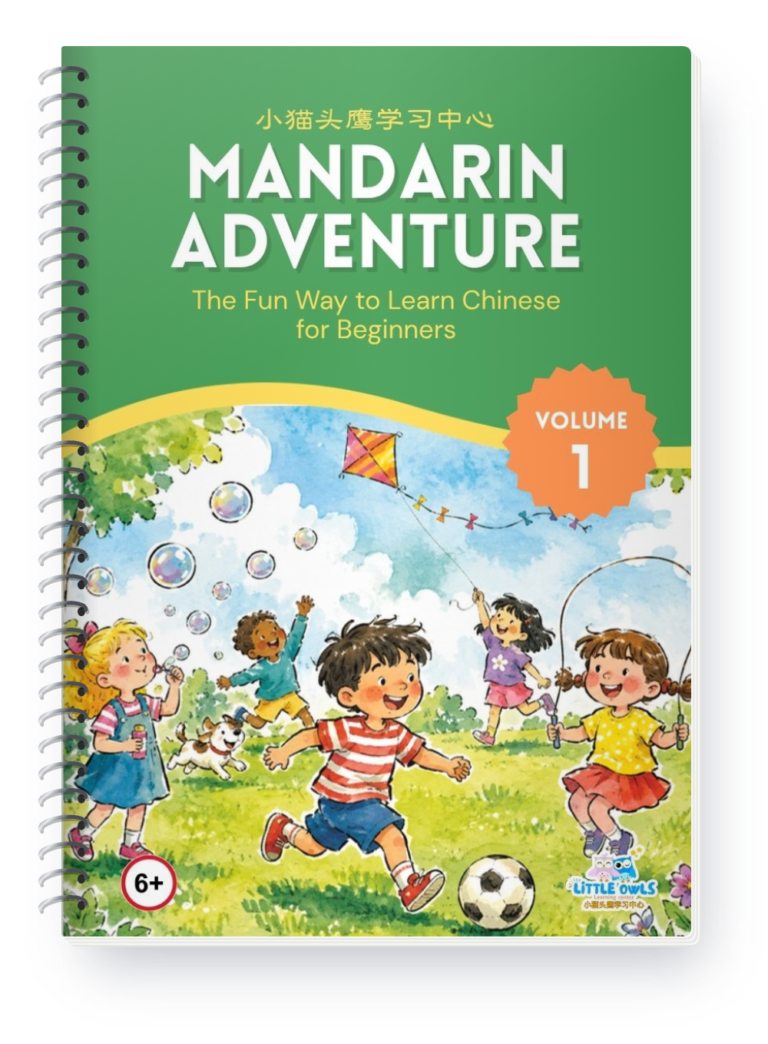
Get Lesson 1 Free
Try the first lesson with your child at home. We’ll email you the PDF right away.
Try a Live Class with a Teacher
A teacher can help your child say these greetings with the right tones in time for Chinese New Year. Book a trial class and a teacher will meet your child online: 45 to 60 minutes in a small group of up to four children, for ₱599, with no obligation to enroll. Prefer to practice at home first? Mandarin Adventure at Home pairs our workbook with videos, flashcards and listening games. Have a question about where your child should start? Message us on WhatsApp or Messenger, or email info@littleowlsph.com. We reply Tuesday to Saturday, 10am to 6pm.