Every language your child learns expands the range of people they can connect with and the places they can someday belong.
In a world shaped by trade, technology, and cultural exchange, choosing the best second language for kids has become a thoughtful decision and it’s one that can quietly shape future opportunities, from university options abroad to the kinds of industries they’ll work in later on.
This ranking focuses on five languages that genuinely open doors, measured not just by how many people speak them, but by how much they matter — economically, culturally, and globally.
Each one offers something distinct: access to new markets, deeper cultural understanding, and the long-term advantages of bilingual learning.
If you had to choose only one for your child, these five stand out for the scale of their influence and the richness of the worlds they represent.
5. Japanese — Innovation and Precision

Speakers: ≈125 million (Wikipedia, 2025)
GDP per capita (Japan): ≈US$46,100 (CIA World Factbook, 2024)
Core industries: Technology · Robotics · Automotive · Design
Japan remains one of the world’s most technologically advanced nations, home to companies like Toyota, Sony, and Nintendo. For children, Japanese offers a window into a culture that prizes discipline, harmony, and continuous improvement — the philosophy of kaizen.
Its three writing systems (hiragana, katakana, and kanji) develop memory and visual-spatial reasoning. Combined with English, Japanese connects learners to Asia’s US$5 trillion tech economy, innovation hubs, and world-class universities.
Beyond the practical, Japanese immerses students in a culture of respect, precision, and creativity. These are traits that shape thinkers and problem-solvers.
4. Arabic — The Crossroads of Continents
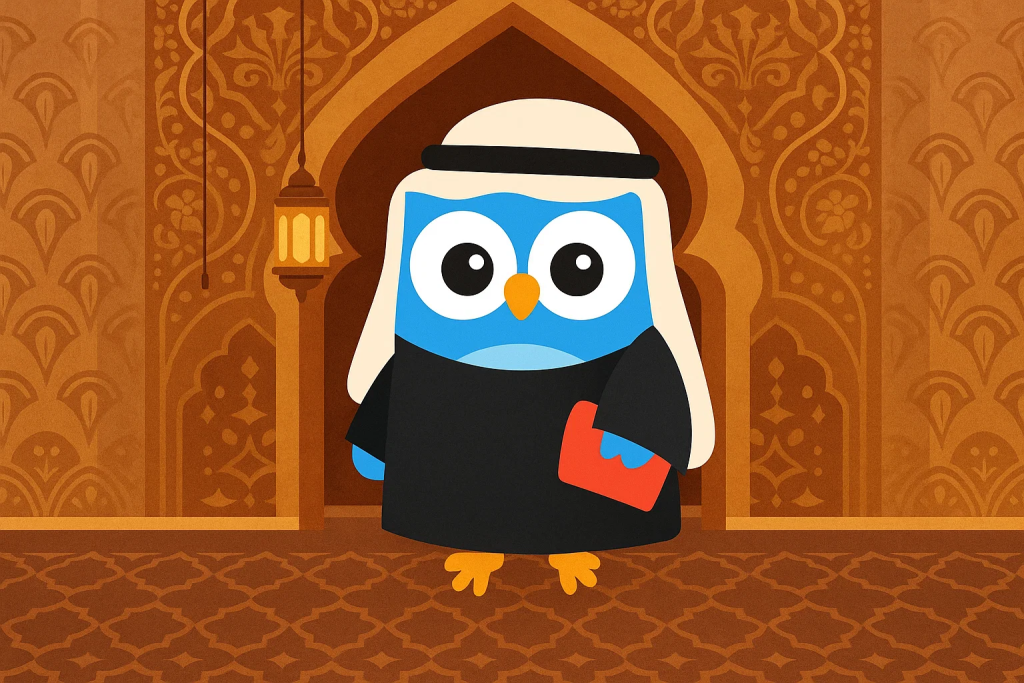
Speakers: ≈ 350 million (Industry Arabic, 2025)
GDP per capita (MENA average): ≈ US$18,787 PPP (World Bank, 2024)
Core industries: Energy · Finance · Logistics · Tourism
Arabic links more than 20 nations across the Middle East and North Africa — a region investing heavily in renewable energy, smart cities, and global finance.
Cities like Dubai, Doha, and Riyadh now rank among the fastest-growing business hubs.
For bilingual English-Arabic speakers, that means opportunities in engineering, trade, diplomacy, and sustainable development.
Arabic also trains analytical thinking: its root-based structure helps children recognize linguistic patterns and build problem-solving skills.
Culturally, Arabic connects learners to one of civilization’s oldest literary traditions — from pre-Islamic poetry to modern philosophy — and to art forms that reflect symmetry, rhythm, and faith.
It’s a bridge language that links continents, cultures, and futures.
3. French — The Language of Diplomacy and Design
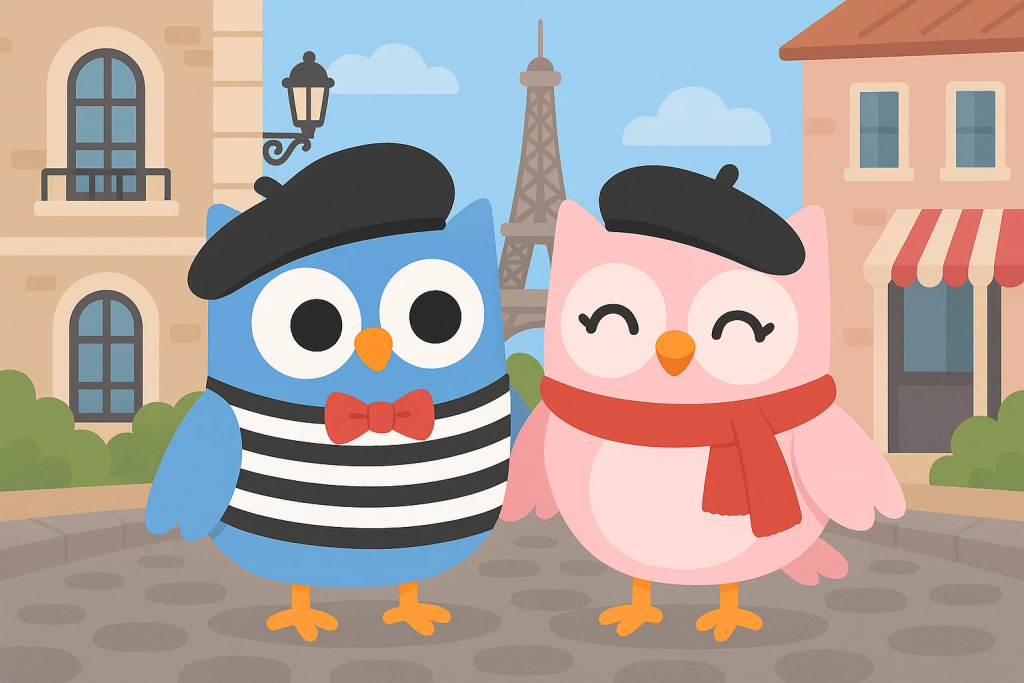
Speakers: ≈ 312 million (Berlitz, 2024)
GDP per capita (France / Canada / Belgium avg.): ≈ US$40,000 (CIA World Factbook, 2024)
Core industries: Luxury · Arts · International Law · Science
Spoken on five continents and official in 29 countries, French remains a global passport language.
It’s used at the UN, EU, and Olympic Committee, and continues to dominate industries that blend intellect and creativity, such as fashion, cuisine, cinema, and art.
For children, French sharpens pronunciation and rhythm, encouraging clarity of thought and expression.
Bilingual English plus French speakers gain access to universities and job markets in France, Canada, Switzerland, and parts of Africa, where multilingual communication is essential.
Culturally, French fluency lets children read Hugo, Dumas, and Saint-Exupéry in their original words, learning not just language, but perspective and style.
2. Spanish — The Global Connector
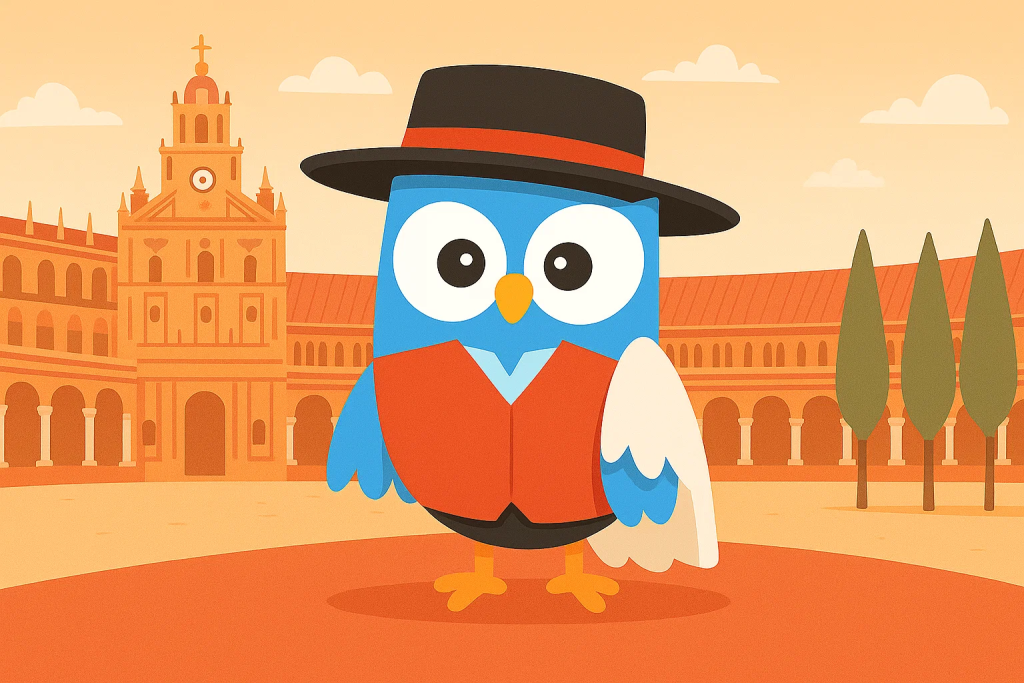
Speakers: ≈ 600 million (total) · ≈ 499 million native (Speakeasy BCN, 2024)
GDP per capita (Spain): ≈ US$48,400 (CIA World Factbook, 2024)
Core industries: Trade · Tourism · Media · Education
Spanish is one of the easiest languages for English speakers to learn, yet one of the most globally useful.
It’s the official language of 21 countries and the second-most spoken language in the world by native speakers.
In the U.S. alone, 13 percent of residents speak Spanish at home, fueling demand for bilingual professionals in healthcare, business, and media.
For children, its phonetic consistency and rhythmic sound patterns make early learning intuitive and rewarding.
Spanish connects learners to an extraordinary cultural network: the art of Picasso and Frida Kahlo, the music of Latin America, and the architecture of Gaudí.
It builds communication confidence early and global mobility later.
1. Mandarin Chinese — Reach, Relevance, and Renaissance
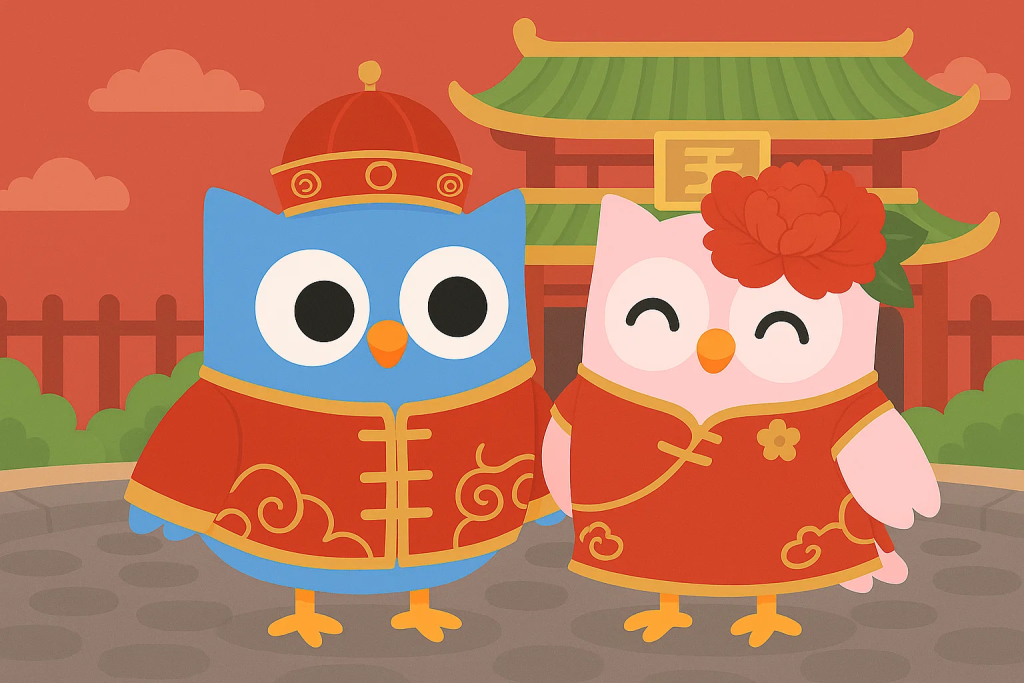
Speakers: ≈ 1.1 – 1.2 billion (Wikipedia, 2025)
GDP per capita (China): ≈ US$23,800 (CIA World Factbook, 2024)
Core industries: Manufacturing · AI · FinTech · Renewables
Mandarin is the most spoken language on Earth and the heartbeat of the world’s second-largest economy.
When paired with English, it connects a child to roughly half of global GDP.
China’s rapid growth in artificial intelligence, green energy, and international trade ensures Mandarin fluency will remain one of the most strategic skills of the 21st century.
Professionals fluent in both English and Mandarin command higher salaries in finance, technology, and diplomacy.
Cognitively, Mandarin strengthens both hemispheres of the brain: its tonal system refines auditory processing, while its character-based writing enhances visual memory.
A 2022 Frontiers in Psychology study confirmed that bilingual children outperform monolingual peers in executive-function tasks and creative flexibility (Frontiers, 2022).
And culturally, Mandarin opens access to 4,000 years of poetry, philosophy, and art — from Confucius to Cai Guo-Qiang.
Why Parents Choose Mandarin for the Next Generation
Mandarin may seem complex, but children learn tones and characters far more naturally than adults.
The key is guided exposure — structured learning paired with storytelling, interaction, and consistent practice.
That’s exactly the approach used at Little Owls Learning Center, where lessons are designed for young learners to develop listening, speaking, reading, and writing skills in balance.
Small-group classes keep learning interactive, while experienced teachers focus on helping each child build confidence and think in Mandarin rather than translate from English.
For parents, it’s one of the most future-proof investments they can make — a language that connects their child to global opportunity, cognitive growth, and a culture that has shaped civilization for thousands of years.
Conclusion — The Language That Opens the World
If the world suddenly offered only one second language to learn, Mandarin Chinese would be the clear winner — for its unmatched reach, its economic gravity, and its living heritage.
But each language on this list offers something essential:
- Japanese teaches innovation and discipline.
- Arabic teaches perspective and adaptability.
- French teaches elegance and diplomacy.
- Spanish teaches warmth and connection.
- Mandarin teaches the future.
Together with English, they form the foundation of global citizenship — preparing children not just to communicate, but to understand.
Give your child that advantage.
Learn Mandarin
Give your child the Little Owls advantage.
✓ 100% kid-friendly