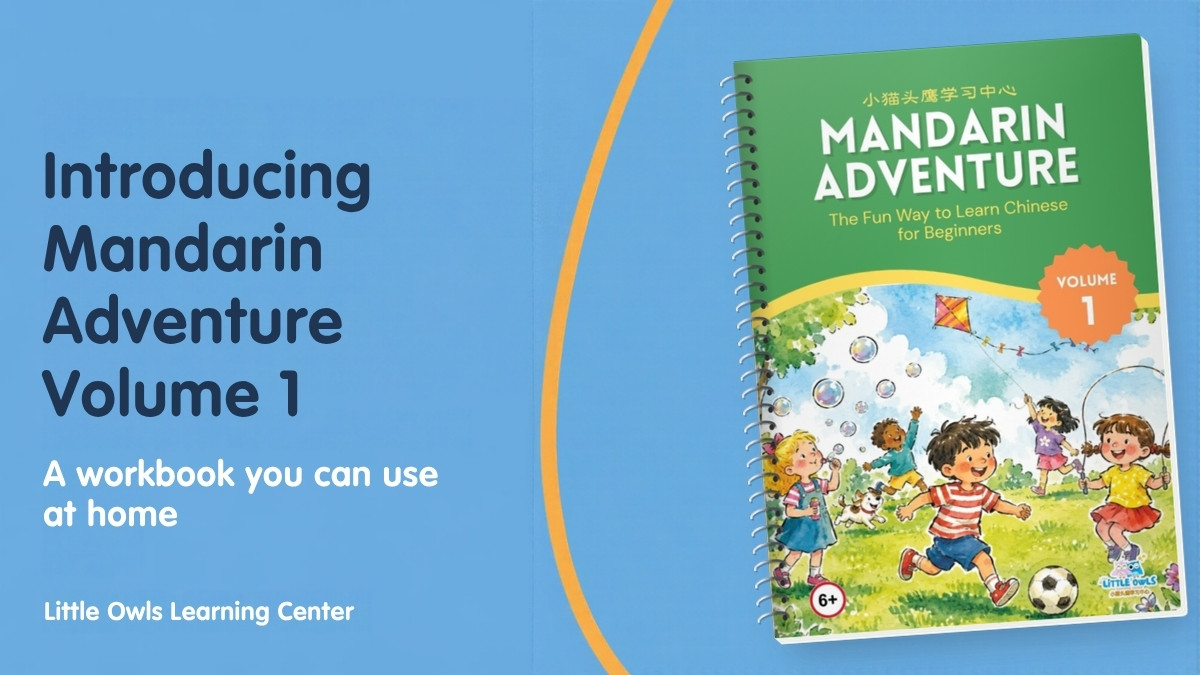
Grabbing the attention of children is no joke.
Getting them to follow your instructions is even more challenging.
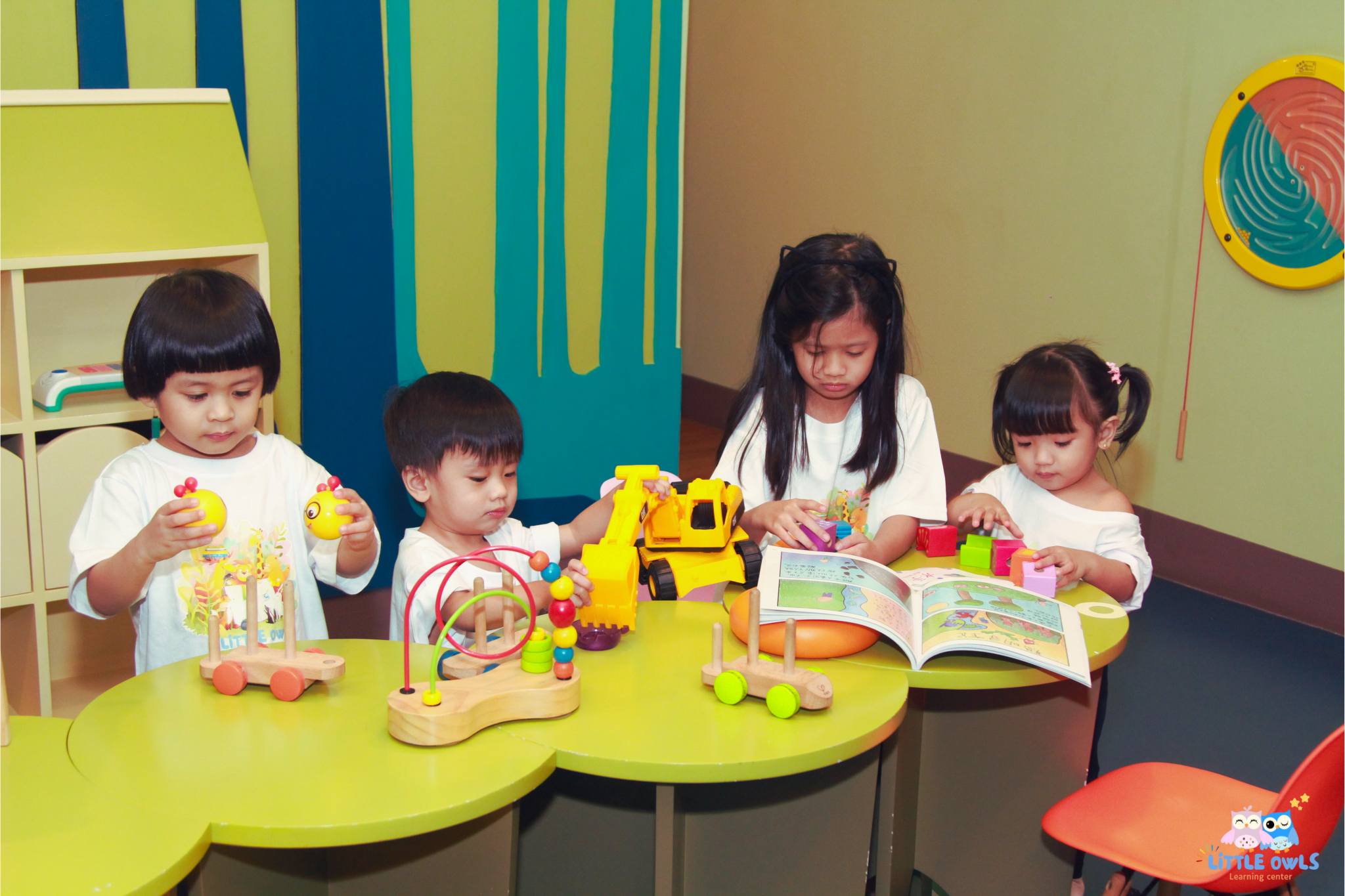
That’s why our photo shoot on January 28 for our McDonald’s partnership, which we thought would be a 20-minute cake walk, turned out to be a 2-hour-long struggle.
All we wanted was a picture of our kid models together, but apparently, they each have this little play bubble where the only thing that matters when they’re inside it is fun.
What’s worse, the toy cars and trucks, not to mention the caterpillar tunnel (oh, that caterpillar tunnel!), which we thought were tools to get them to cooperate, served as mere hindrances to our photo op.
Finally, over a hundred shots later, we got them together to snap the perfect photos for the campaign.
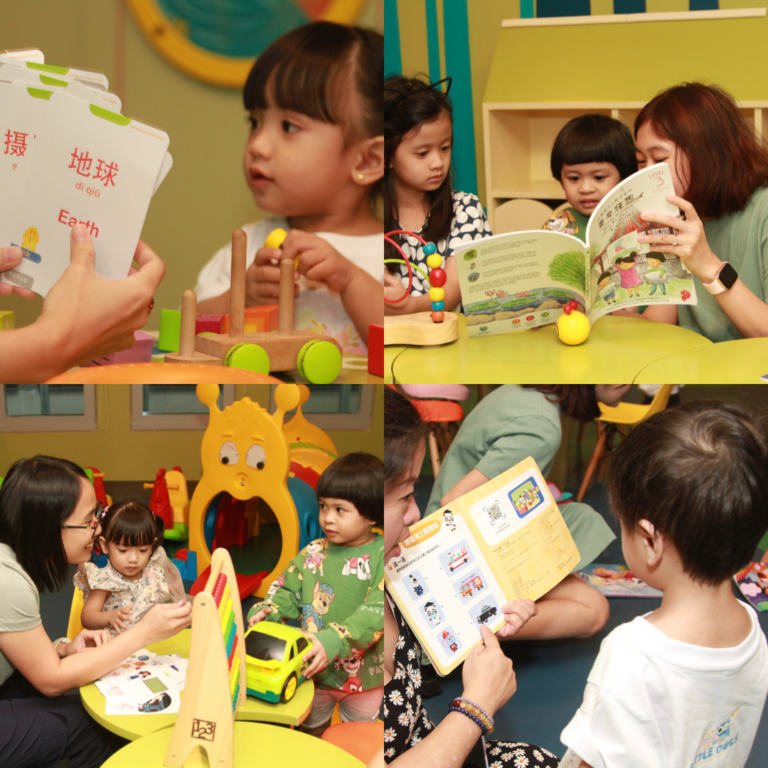
Here are just some of them:
Why Mandarin Is Hard to Learn
As I look back at the photo shoot, I cannot help but compare the experience to teaching Mandarin.
Mandarin is not an easy language to learn. Native speakers would even be the first ones to admit this. One reason for this is Mandarin is a tonal language – it’s very nuanced where a mistake in pronunciation would alter the meaning completely. Aside from this, Mandarin also requires memorizing thousands of Chinese characters. To communicate, you need to know at least 4,000 of these characters. That’s why the language learning platform Rosetta Stone categorizes Mandarin as a Category IV language, meaning it would take adults over a year to reach professional working proficiency. Even here in our country, where there are hundreds of Chinese schools, only a tiny percentage of the population can claim that they’ve achieved conversational fluency in Mandarin.
Why We Took On the Challenge
Now, you might wonder why on earth would we want to take on a seemingly impossible task ourselves.
Our aim is to help the next generation of Filipinos become fluent in Mandarin. Allow me to explain. I was an OFW for nearly ten years and I’ve seen firsthand how Filipinos thrive in various lucrative careers overseas because of their ability to communicate well in English. At the same time, back here on our soil, the economic boom engendered by the BPO industry is a strong evidence of major companies’ preference for our English-proficient and, of course, highly-educated workforce.
As a global language, Mandarin can give English a run for its money. Mandarin saw the second-largest increase in speakers after English, with 69 million between 2011 and 2021. This increase in number was largely a result of China’s growing economic influence. If we want the next generation of Filipinos to remain globally competitive, we deem it imperative to add Mandarin to their skillset. And there is no better time to do this than now.
Kids are easier to teach and can grasp the language more quickly than adults. They are a lot more malleable and can even adapt to native speaker-like fluency. One MIT study supports this claim, noting that such fluency is achieved before the age of 10.
The Real Challenge: Keeping Kids Interested
Still, the biggest challenge is to keep kids interested and engaged. Forcing them to learn the language through conventional means would only yield the same results that we’re already familiar with – kids would perceive the activity as a regimented exercise, ie., a chore.
I relate this to when my mom enrolled my siblings and me in piano lessons back in grade school. We interpreted it as another task to tick off our to-do list, which was already stuffed with boring activities, such as cleaning our rooms and putting our toys away. We badly wanted out of each class that we’d cherish days when our late piano teacher Mrs. L (God bless her soul), was absent. This is because for the 9-year-old me, sitting down for a 1 to 2-hour class of reading piano notes isn’t the best way to spend after-school hours. I’d much rather be watching Dragon Ball Z or playing Pokemon trading cards.
Of course, today, we regret it. Moonlight Sonata could’ve been a cinch but that’s the way the cookie crumbles. The only time when I really paid attention to what Mrs. L was teaching was when I requested to play a song I liked. If I remember correctly, that song was “Complicated” by Avril Lavigne. So, I played the music on our DVD player, and Mrs. L listened to it for a while. She then started writing the song’s notes so I could read and play them. It wasn’t complicated (see what I did there?). I was able to play it but the song just isn’t piano material. I guess that’s the reason why Mrs. L preferred the classics. But despite my failed attempt to indoctrinate her into pop music, what I realized is that requesting to play a song I listened to got me excited and made me pay attention. And I can’t help but compare this to teaching Mandarin. The way I see it, lessons should be able to connect to kids in a fun and engaging way because fun is a basic commodity for children. If lessons are not interesting enough, there’s no motivation for children to learn, let alone pay attention.
We are absolutely thrilled to embark on our audacious goal of equipping the younger generation with a language that has a lot of potential utility in future workplaces or businesses.
Keep reading: Helping Your Child Succeed in Little Owls’ Online Classes and Little Owls Learning Center Launches Online Chinese Writing Classes
Want to see how your child takes to Mandarin? Book a trial class or see our programs.